
Organization Guides
13 Things That Actually Belong in the Cabinet Above Your Stove (and 5 That Don't)
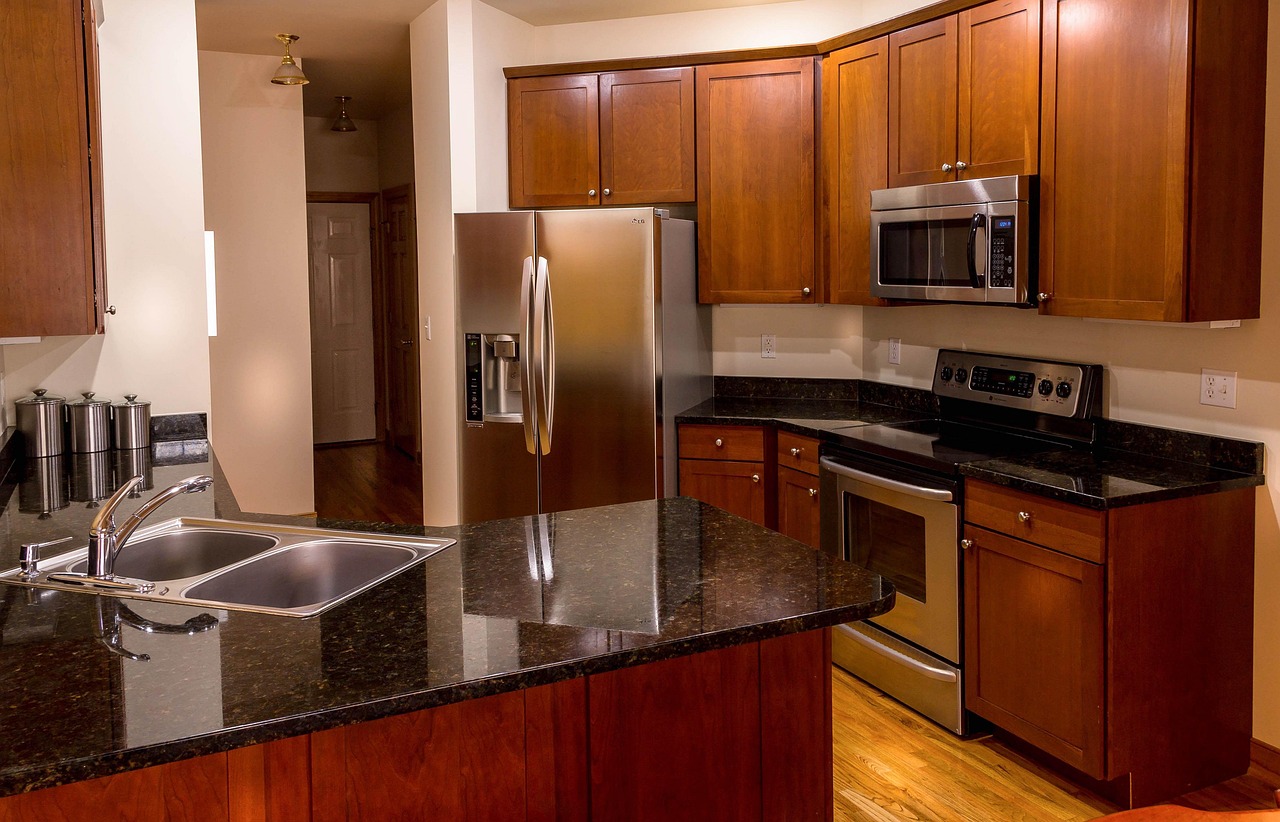
The cabinet above the stove is the most awkward storage spot in most kitchens. It's harder to reach than anything at eye level, and it sits directly above heat and rising steam every time you cook. Most advice about this cabinet just tells you what to put there without explaining why some of the obvious choices are actually a bad idea.
Why does this one cabinet trip people up?
Heat and steam rise every time a burner or oven runs, and this cabinet sits directly in that path. Combined with being a harder reach than lower or eye-level storage, it's a bad fit for daily-use items and anything sensitive to heat cycling — which is exactly what most people store there by default.
The fix isn't complicated once you separate the cabinet into two categories: things that tolerate occasional heat exposure and infrequent reaching, and things that actively degrade or become inconvenient up there. Here's both lists.
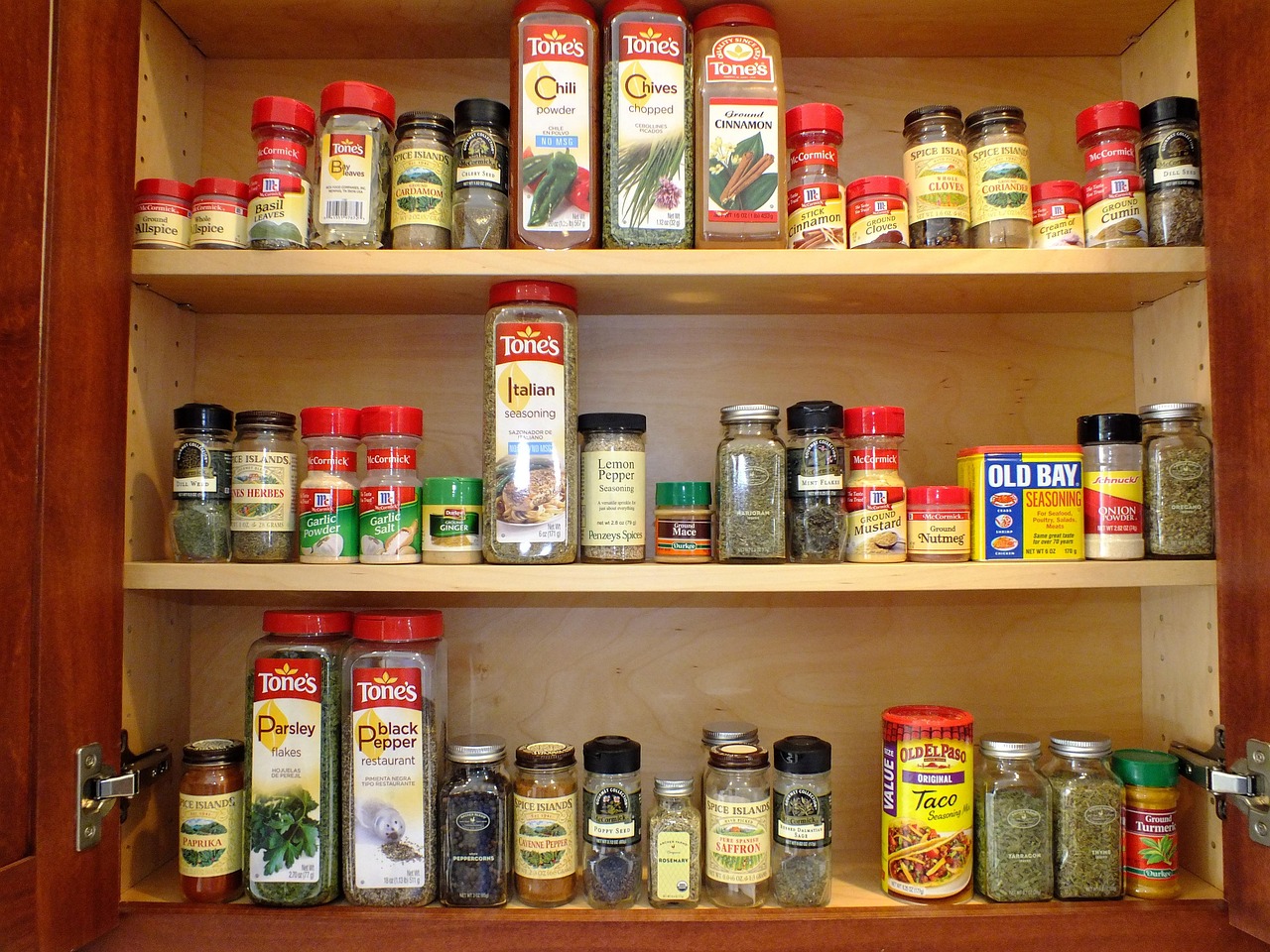
13 things that actually belong there
Backup & occasional-use gear
- Extra pot lids — the ones that don't match anything in daily rotation but you're not ready to toss.
- Specialty bakeware — bundt pans, roasting racks, and anything used a handful of times a year.
- A griddle or grill pan — bulky, occasional-use, and fine with a little ambient heat.
- Lightweight cutting boards — a backup set that doesn't need to live within arm's reach.
- Extra mugs — the overflow set you pull out for guests.
Paper & references
- Cookbooks — used in bursts, not daily, and don't mind the top shelf.
- Small-appliance manuals — instructions you check twice a year at most.
Linens & serving
- Backup oven mitts and potholders — a second set for when the daily pair is in the wash.
- Cloth napkins — folded flat, low priority for quick access.
- Serving trays — bulky and occasional, ideal for a high cabinet.
- Vases — rarely needed on short notice.
- Seasonal serveware — holiday platters and dishes that only come out a few times a year.
- An odds-and-ends organizer bin — twist ties, clips, and the drawer-adjacent clutter that needs a home but not constant access.
Our finding: the pattern across every “good” item on this list isn't really about size or weight — it's about tolerance for both heat and delay. If losing quick access to it for a week wouldn't bother you, and a little ambient warmth wouldn't hurt it, it belongs above the stove. That single test resolves most of the borderline cases people ask us about.
5 things you should never store above the stove
- Cooking oils — heat cycling speeds up rancidity; oils keep longer in a cool, stable spot away from the range.
- Ground spices — the same heat exposure that ages oils faster also degrades spice flavor and potency quicker.
- Daily-use cookware — defeats the point of a hard-to-reach cabinet; keep what you use every day within easy reach instead.
- Plastic containers and lids — repeated heat exposure can warp lightweight plastic over time.
- Anything flammable or paper-heavy near an open flame — paper goods and flammable items belong away from any cabinet directly over active heat, full stop.
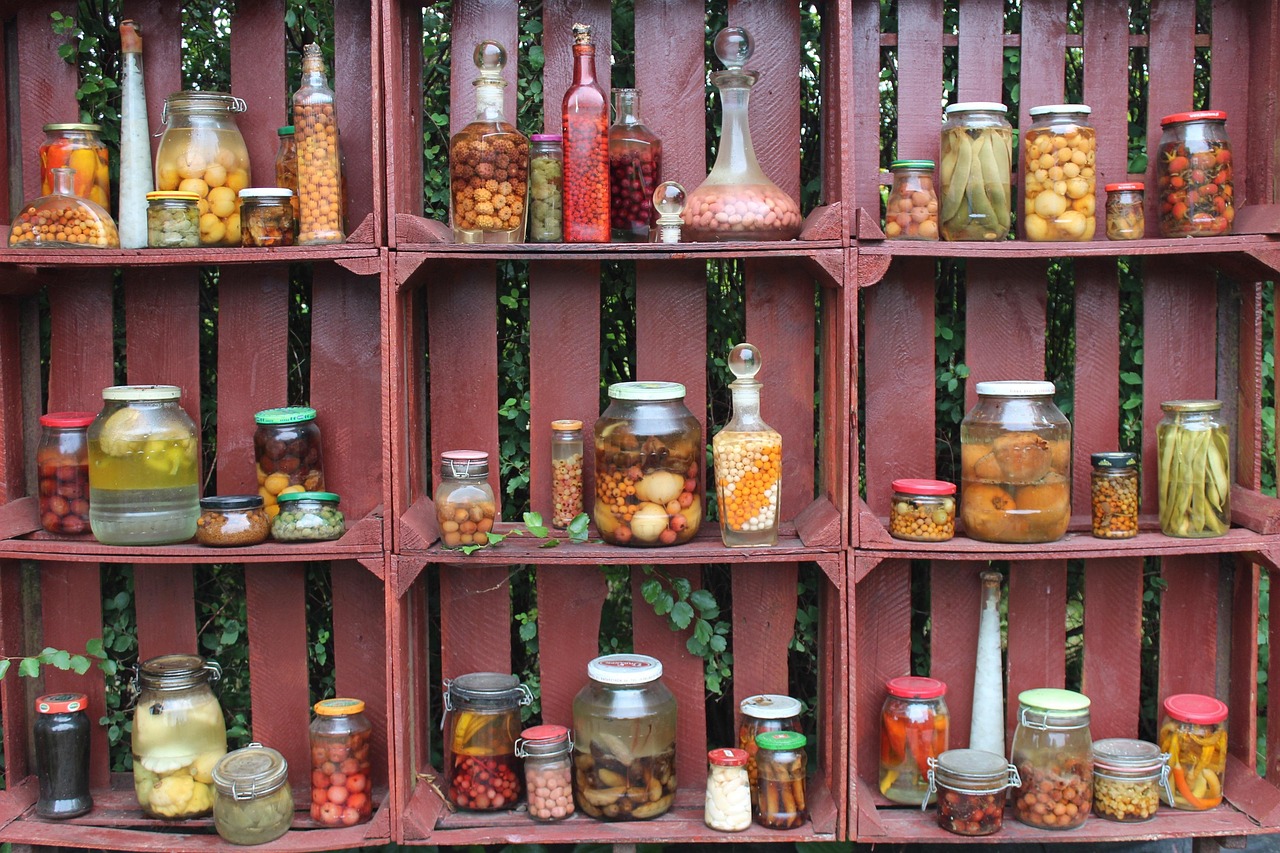
Spices and oils are the two most common mistakes we see — both end up there because they “seem” cooking-adjacent, not because the spot actually suits them. Keep them in a cooler cabinet or drawer near, but not above, the stove.
Why organizing this cabinet is worth the effort
As of 2025, 67% of homeowners rank organizing kitchen drawers and cabinets as a top priority, and 58% say messy cabinets and counters cause daily stress (Eagle Woodworking survey of 1,000 U.S. homeowners, 2025). A cabinet that's actually sorted by “how often do I need this” instead of “where did it fit” is a small fix with an outsized effect on daily frustration.
It also compounds with the rest of the kitchen. As of 2026, kitchen renovators are leaning hard into specialty storage: 94% integrate at least one specialty storage feature, and pull-out trash/recycling, tray dividers, and spice storage top the list (Houzz 2026 Kitchen Trends Study).
Source: Houzz 2026 Kitchen Trends Study. Share of renovating homeowners installing each feature.
Separately, 88% of homeowners agree custom cabinet inserts make a kitchen more functional (Eagle Woodworking, 2025) — which is exactly the kind of upgrade that turns an awkward above-stove cabinet into genuinely useful space instead of a catch-all.
If you're planning cabinetry around better organization, our cabinet accessories collection covers the inserts, dividers, and pull-outs that make cabinets like this one actually work.
Frequently asked questions
Is it safe to store cooking oil in the cabinet above the stove?
Not ideally. Heat cycling from the range speeds up rancidity, so oils last longer in a cooler, more stable spot away from direct heat exposure.
What is the best use for a cabinet directly above the range?
Backup and occasional-use items that tolerate both a harder reach and some ambient heat — extra pot lids, specialty bakeware, cookbooks, and seasonal serveware are all good fits.
Why shouldn't I keep spices above the stove, even though it seems convenient?
The same heat exposure that speeds up oil rancidity also degrades ground spice flavor and potency faster. It is convenient for reaching during cooking, but it shortens how long the spices stay good.
How do I make better use of an awkward cabinet like this one?
Custom inserts and dividers help — 88% of homeowners say cabinet inserts make a kitchen more functional (Eagle Woodworking, 2025). Sorting by "how often do I need this," not by what happens to fit, does the rest.
Does organizing this one cabinet actually make a difference?
It contributes to a bigger pattern — 58% of homeowners say messy cabinets and counters cause daily stress (Eagle Woodworking, 2025), and a well-sorted awkward cabinet is one less spot adding to that.
The bottom line
The cabinet above your stove isn't a bad spot — it's just a specific one. Reserve it for things that don't mind a harder reach and a little ambient heat, keep oils and spices somewhere cooler, and the space stops being a catch-all and starts actually working for you.
Book a design consultation and we'll help you plan cabinet storage that fits how you actually cook.