
Organization Guides
5 Corner Cabinet Solutions That Actually Solve the Blind Corner Problem
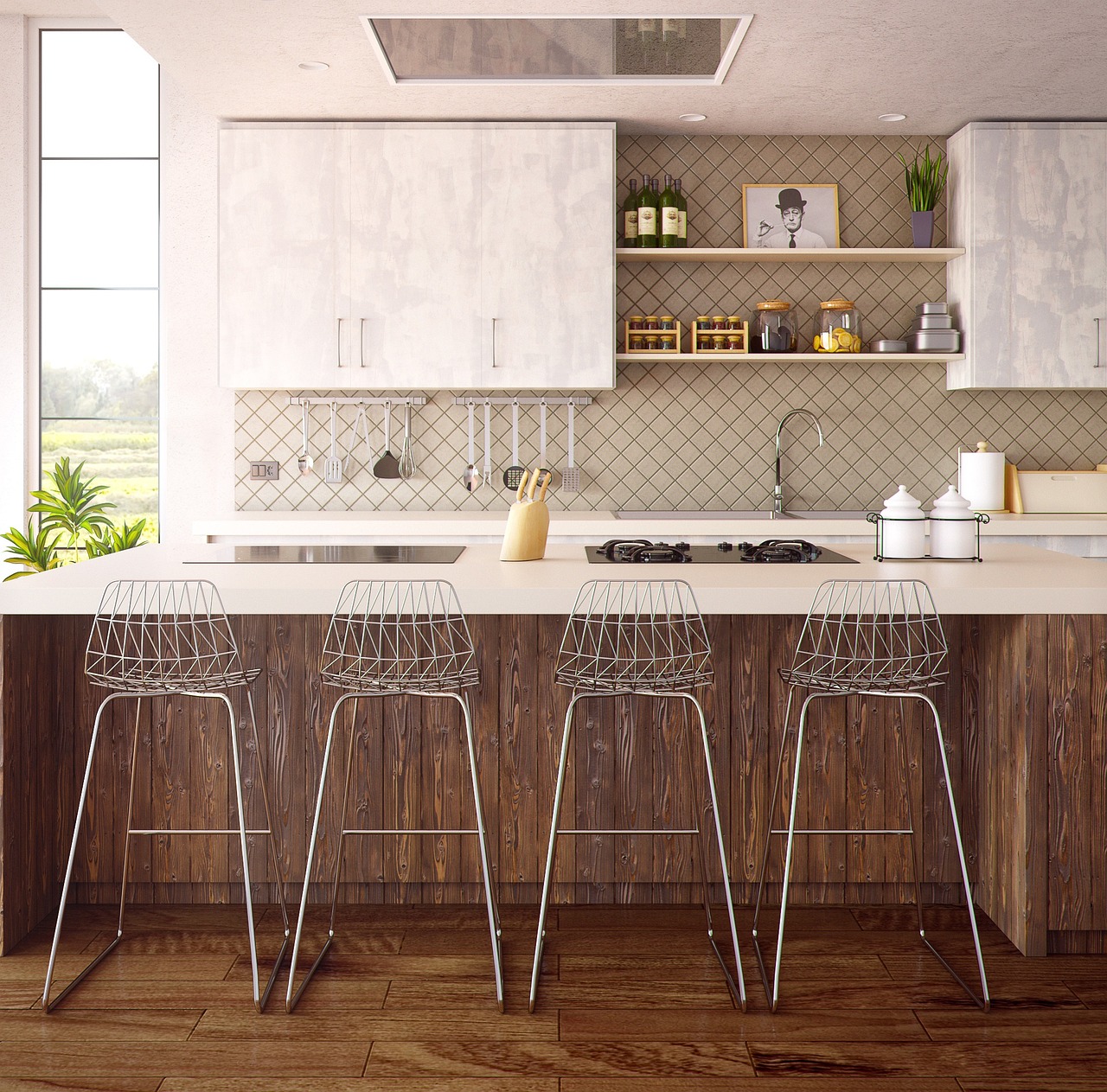
Every kitchen with an L-shaped or U-shaped cabinet run has one: the spot where two cabinet runs meet, and the back third of that cabinet turns into a black hole. You can see it. You mostly can't reach it. That's a blind corner, and it's one of the most common storage complaints in kitchen design.
What actually makes a cabinet “blind”?
A “blind corner” cabinet is the box that sits behind an adjoining cabinet run, with its opening facing sideways instead of straight out. Standing in front of the door, you're looking into open space, not into the corner — the usable interior extends back behind the wall of the next cabinet.
A “pie-cut” or diagonal corner cabinet is different: it has its own door set at a 45-degree angle facing directly into the room, and typically houses a round or D-shaped rotating shelf. Both are corner cabinets. Only one of them is actually blind.
That distinction matters because the hardware that fixes a blind corner and the hardware that fixes a pie-cut corner aren't interchangeable. Buying the wrong one for your layout means it either won't fit or won't solve the actual problem.
5 corner solutions, and which layout each one fits
1. Corner Lazy Susan with Pole (SKU LK-WCA004) — built for upper cabinets. A round shelf set rotates around a center pole, so you can spin what's in the back to the front instead of reaching blind. This is the classic fix for an upper corner cabinet with a diagonal door.
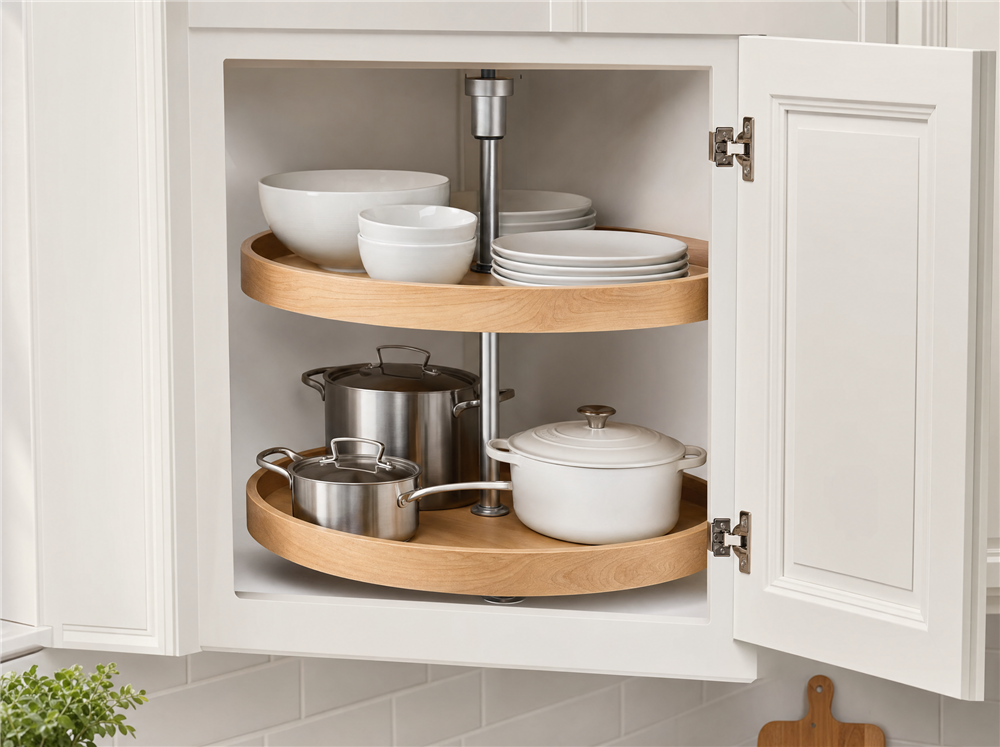
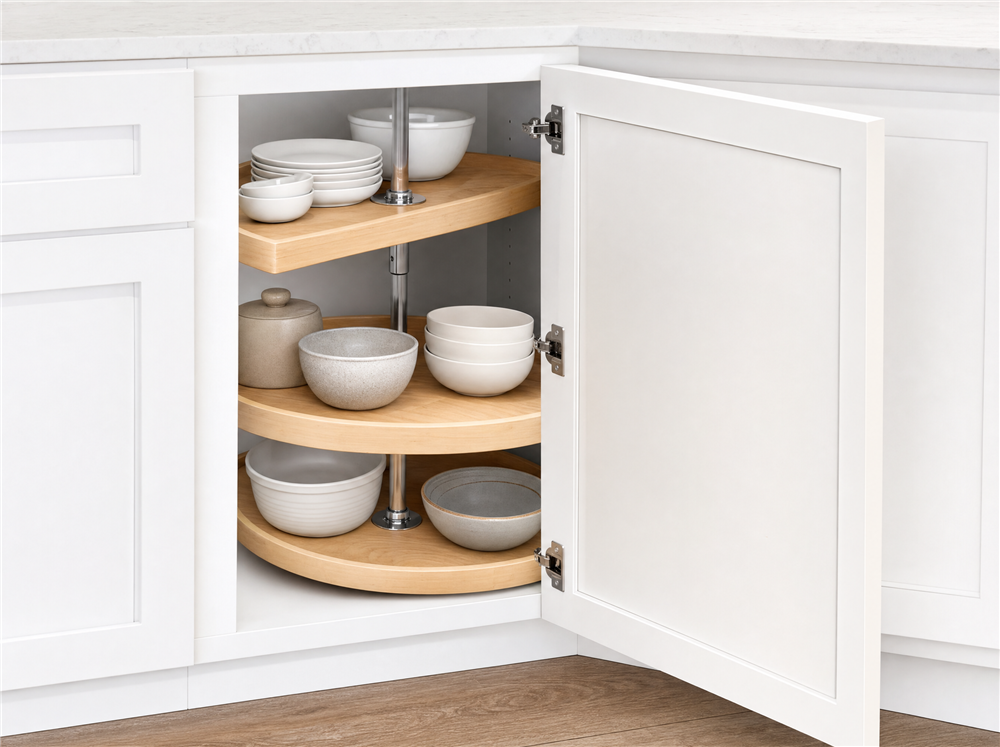
2. Lazy Susan for Pie Cut Base Cabinets (SKU LK-BCA032) — the base-cabinet version of the same idea. If your corner base cabinet already has a diagonal door and a pie-cut shape, this rotating shelf set makes full use of that shape instead of leaving the back third dead space.
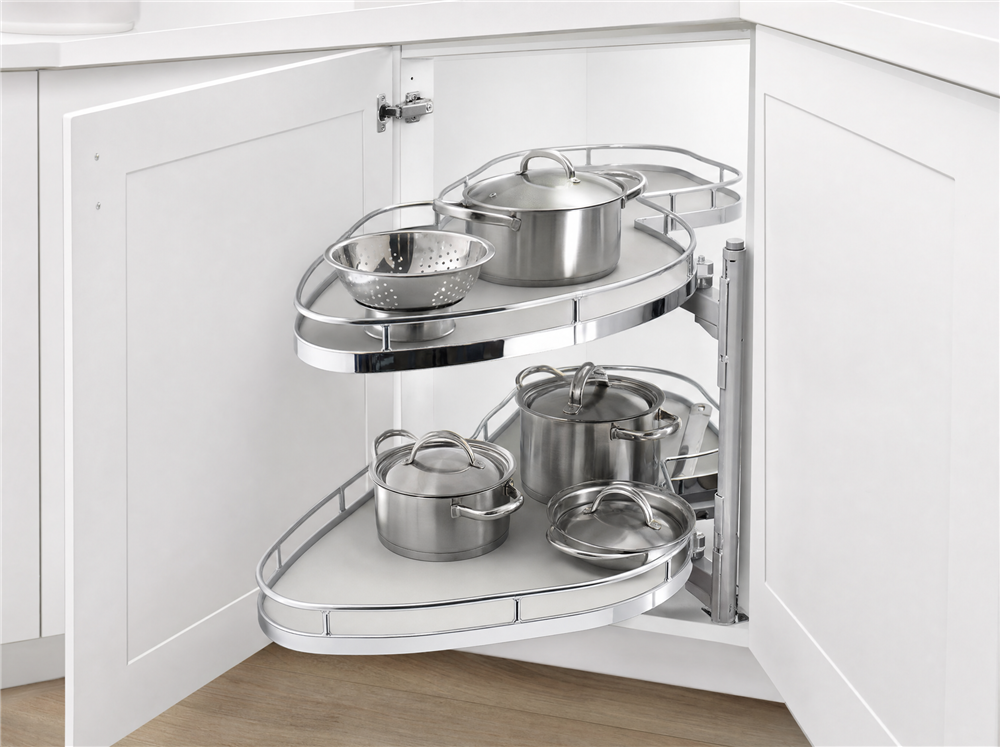
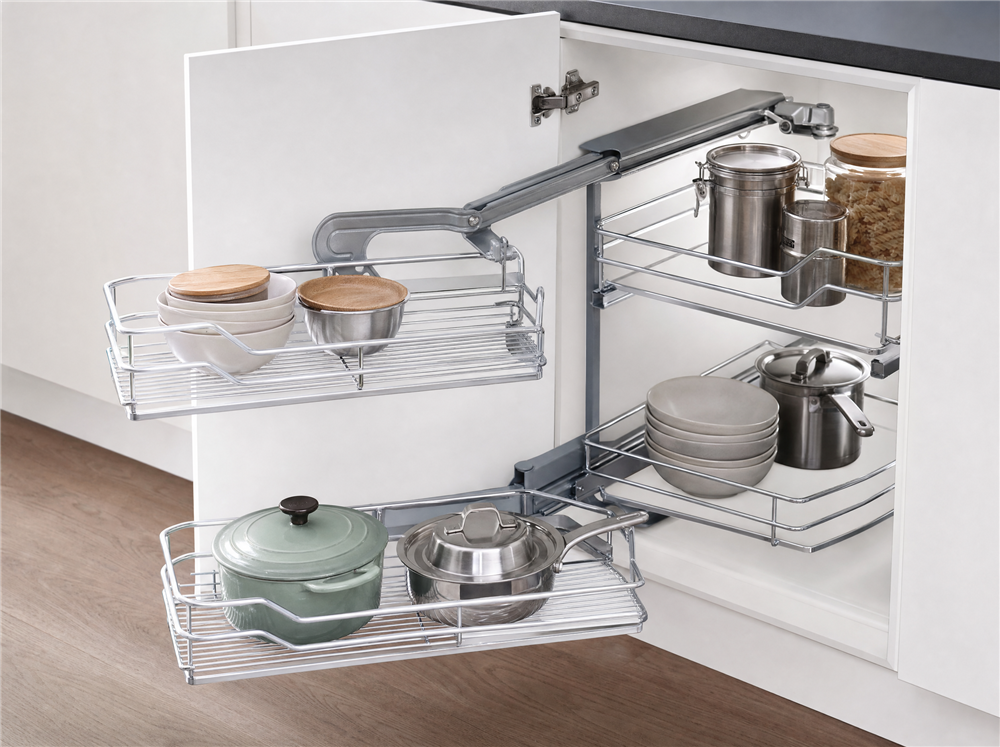
3. Lemans Corner Pull Out for Blind Base (SKU LK-BCA030) — for a true blind base corner, where there's no diagonal door to rotate behind. This hardware pulls kidney-shaped shelves out and around the corner as you open the door, bringing the blind interior into reach.
4. Universal Blind Corner Pull Out (SKU LK-BCA031) — a more compact pull-out mechanism for blind base cabinets, designed to fit a wider range of existing cabinet openings than the Lemans system. Good option when cabinet dimensions are tight or non-standard.
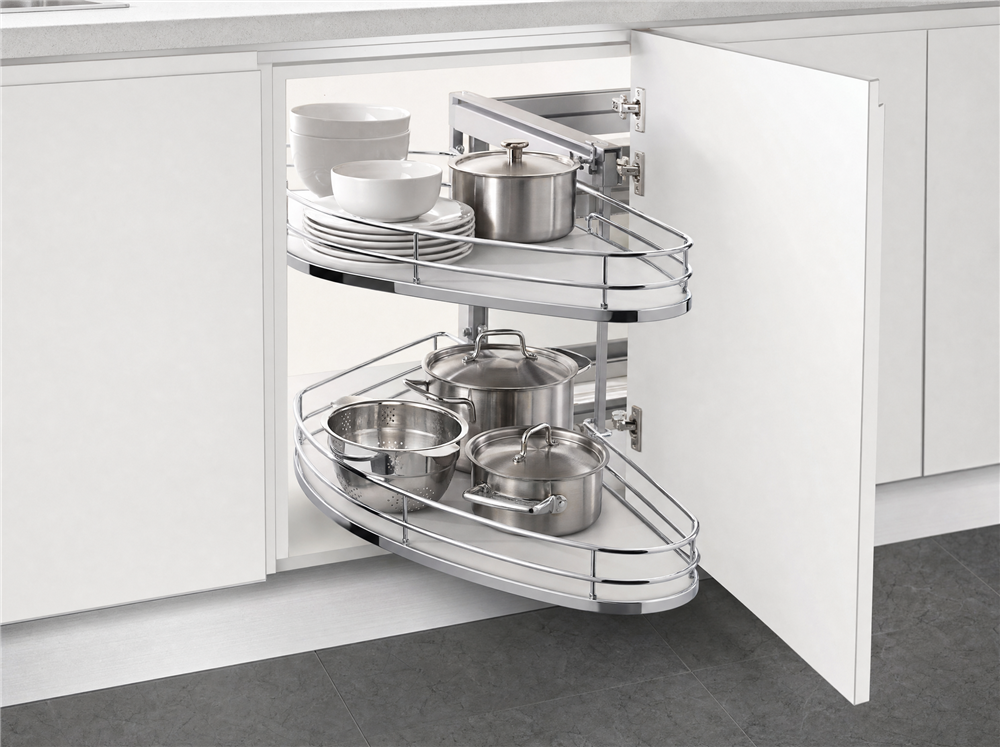
5. Magic Corner Solution for Blind Cabinets (SKU LK-BCA033) — a folding, multi-shelf mechanism that swings the entire interior out of the cabinet in stages as the door opens. It holds more than a single rotating shelf and is built specifically for base blind corners with deeper interiors.
Our finding: the question we get most from clients isn't “which corner solution is best” — it's “do I even have a blind corner or a pie-cut one.” Most people have never looked closely enough to tell the difference. Check the door: angled and facing the room means pie-cut (items 1-2 above); flat and facing sideways into open space means blind (items 3-5).
How common are these upgrades, really?
As of 2026, 94% of renovating homeowners integrate at least one specialty storage feature into their cabinets, and corner and hard-to-reach solutions are a meaningful part of that shift (Houzz 2026 Kitchen Trends Study). This isn't a niche upgrade anymore — it's close to the default.
Source: Houzz 2026 Kitchen Trends Study. Share of renovating homeowners.
Pull-out trash and recycling bins remain the single most common specialty feature at 64% adoption, with cookie sheet and tray drawers at 55% and spice storage at 41% (Houzz 2026 Kitchen Trends Study) — corner hardware sits alongside a broader shift toward cabinets that are engineered for a specific job, not just a box with a door.
Why bother upgrading a corner cabinet at all?
Because that dead space adds up to real square footage. A blind corner cabinet in a standard kitchen can lose a third or more of its interior to a spot you simply can't reach without kneeling and blind-groping — and most homeowners just stop using it, which is the same as not having that storage at all.
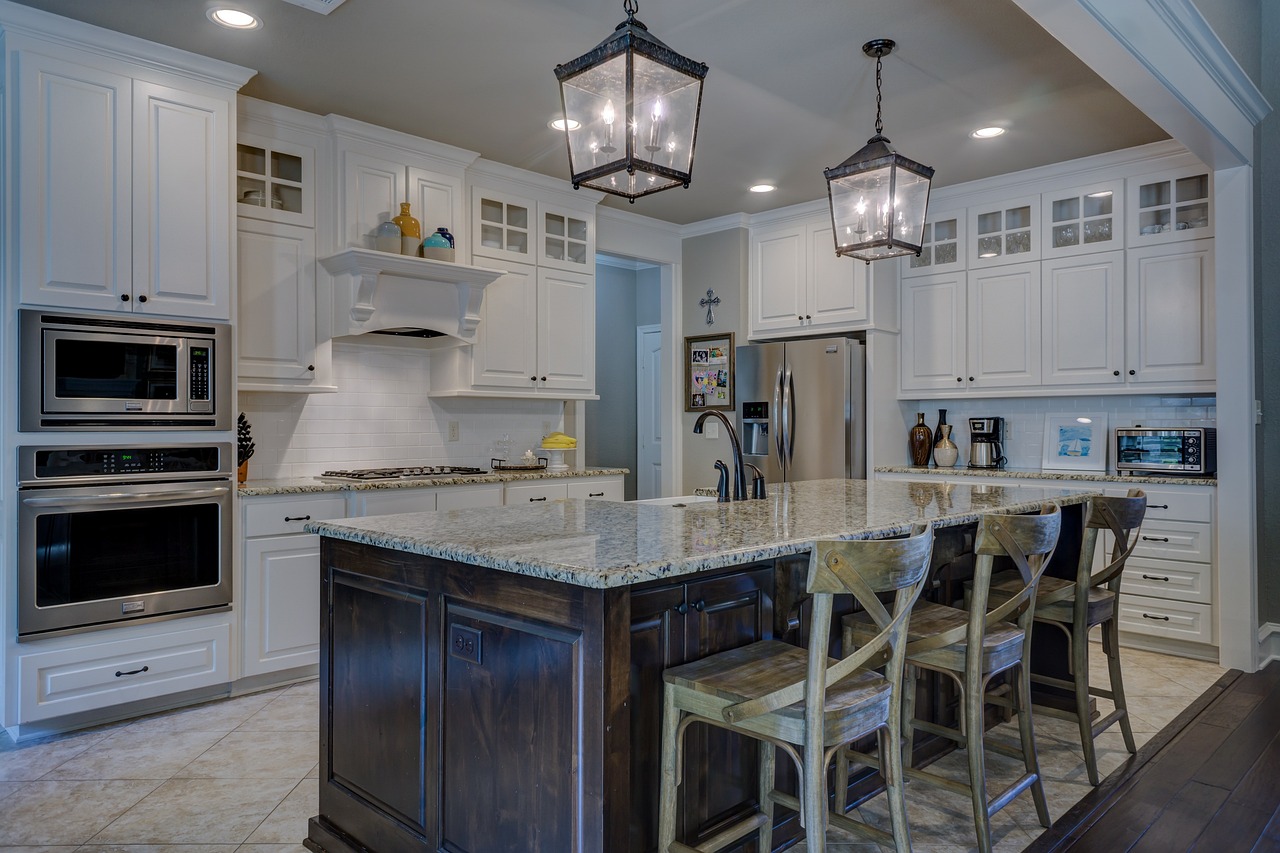
The specialty-storage trend backs this up in aggregate: homeowners are increasingly unwilling to accept cabinet space that doesn't actually function, whether that's a blind corner, an unorganized drawer, or an awkward upper cabinet. If you've already tackled the cabinet above your stove, the corner cabinet is usually the next biggest opportunity in the kitchen.
You can browse all 5 of these corner solutions, along with the rest of our base and upper cabinet accessories, on our cabinet accessories collection page.
Frequently asked questions
How do I know if my corner cabinet is blind or pie-cut?
Look at the door. A pie-cut (diagonal) corner cabinet has an angled door facing directly into the room. A blind corner cabinet has a flat door facing sideways, with the cabinet's interior extending back out of view behind the adjoining cabinet run.
Can I retrofit corner hardware into an existing cabinet, or do I need new cabinets?
Most of these solutions, including pull-out and Lazy Susan systems, are designed to retrofit into standard cabinet openings. Exact fit depends on your cabinet's interior dimensions, which is worth confirming before ordering.
Is a Lazy Susan or a blind corner pull-out better?
It depends on your cabinet, not personal preference — a Lazy Susan needs a pie-cut cabinet with a diagonal door to rotate behind. A blind corner cabinet with a flat, sideways-facing door needs a pull-out system instead, since there's no angled door to spin behind.
How much storage does a blind corner actually waste?
There's no single verified industry figure for this, but the practical effect is well understood: without hardware, the back third or more of a blind corner cabinet is difficult enough to reach that most homeowners stop using it.
Are corner cabinet upgrades worth it for an older kitchen, not just a full remodel?
Yes — corner hardware is one of the few upgrades that doesn't require replacing the cabinet box itself, which makes it a practical fix for kitchens that aren't getting a full renovation.
The bottom line
A blind or pie-cut corner cabinet isn't a design flaw — it's a layout that needs the right hardware. Match the solution to your actual cabinet type, and that dead third of the cabinet turns into real, usable storage instead of a spot you avoid.
Book a design consultation and we'll help you match the right corner solution to your kitchen.
Sources
- Houzz Pro, 2026 U.S. Houzz Kitchen Trends Study, retrieved 2026-08-25, link