
Design Guides
How to Repair Kitchen Cabinets: 8 Common Issues You Can Easily Fix

Most cabinet problems don't require a full renovation — they need the right technique. A stripped screw hole, a misaligned door, or a sticking drawer can usually be fixed in an afternoon with basic tools (This Old House). Here are the eight issues we see most often, and how to fix each one.
1. Loose or wobbly cabinet doors
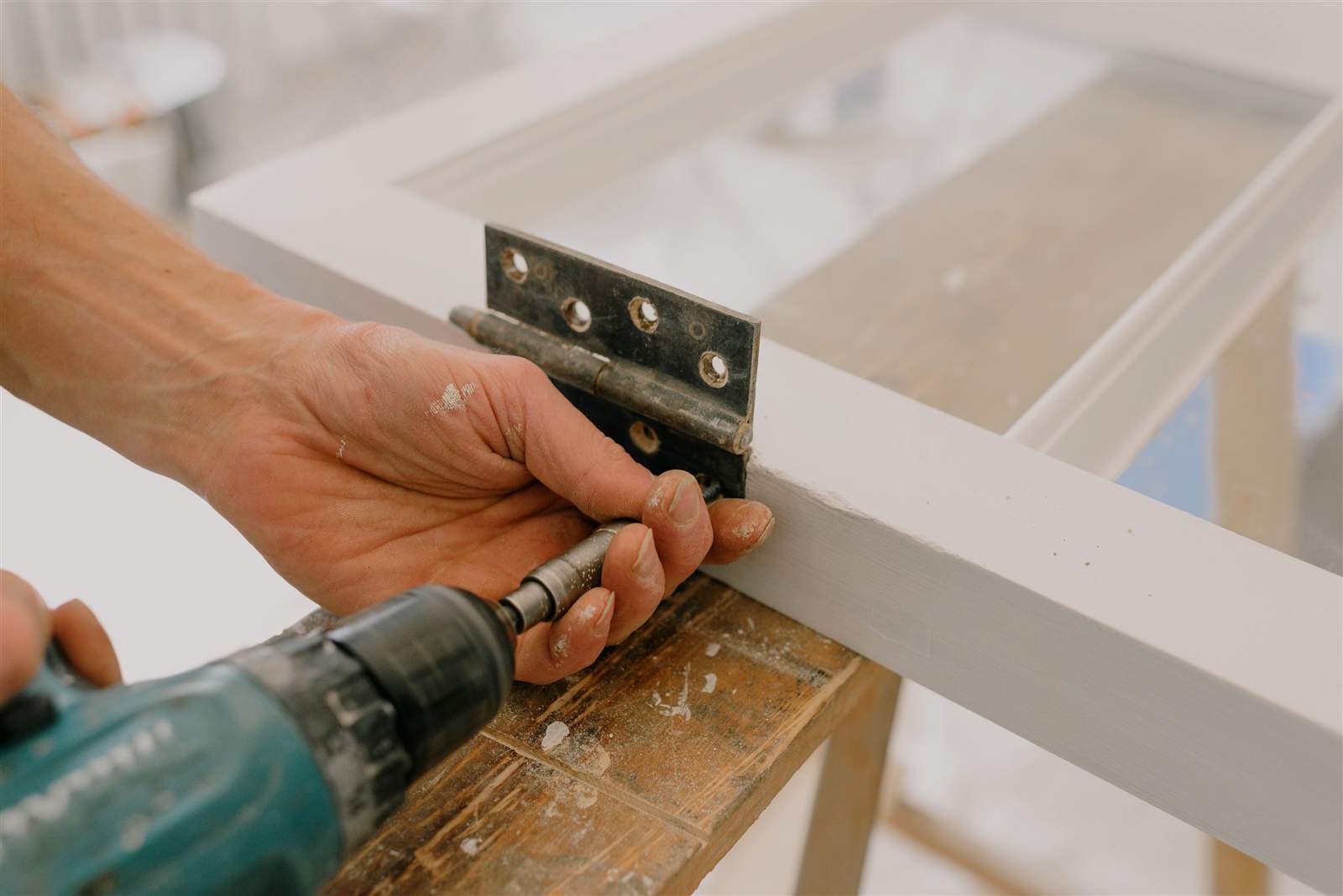
A wobbly door is almost always a loosened hinge screw or a stripped screw hole, not a broken hinge. Start by simply retightening the existing screws — this alone fixes the majority of cases. If the hole itself is stripped and the screw just spins, pack it with wood glue and broken toothpicks, snap them flush once inserted, let the glue cure, then redrill a fresh pilot hole into what is now solid wood again (This Old House).
For larger stripped holes, drill them out slightly, glue in a wood dowel, let it cure, and redrill — or use wood filler with a putty knife, sand flush once dry, and redrill the pilot hole.
2. Doors that won't close properly
Misaligned doors are usually a hinge-adjustment problem, not a structural one. If your cabinets use European (concealed) hinges, they include three independent adjustment screws: one moves the door side-to-side, one moves it up-down, and one adjusts depth in or out (Bob Vila). Turn each in small increments and recheck the fit after every adjustment — overcorrecting is the most common mistake.
Euro hinges are explicitly easier to true up than older hinge styles, which historically needed shimming, planing, or sanding to fix an alignment issue (Family Handyman). If your cabinets have older hardware and adjustment isn't possible, that's worth knowing before you spend time chasing a fix the hinge simply can't provide.
3. Sticking or hard-to-open drawers
A drawer that sticks is usually reacting to humidity, not mechanical failure. Moisture swells wood fibers, and the drawer starts rubbing against its slide or runner — a seasonal problem more than a broken one (Family Handyman). Keeping indoor humidity in the 40–50% range prevents most of this swelling before it starts.
For an active stick, lightly sand the high-friction spots on the drawer bottom and runners with 180–220 grit sandpaper, then lubricate the slides with a paraffin-based product. Reapply the lubricant periodically rather than treating it as a one-time fix.
Our finding: clients are often surprised that a sticking drawer isn't a sign their cabinets are failing — it's usually the most seasonal, least serious issue on this list. A quick sand-and-lubricate pass solves it in minutes.
4. Scratches and dings in the finish
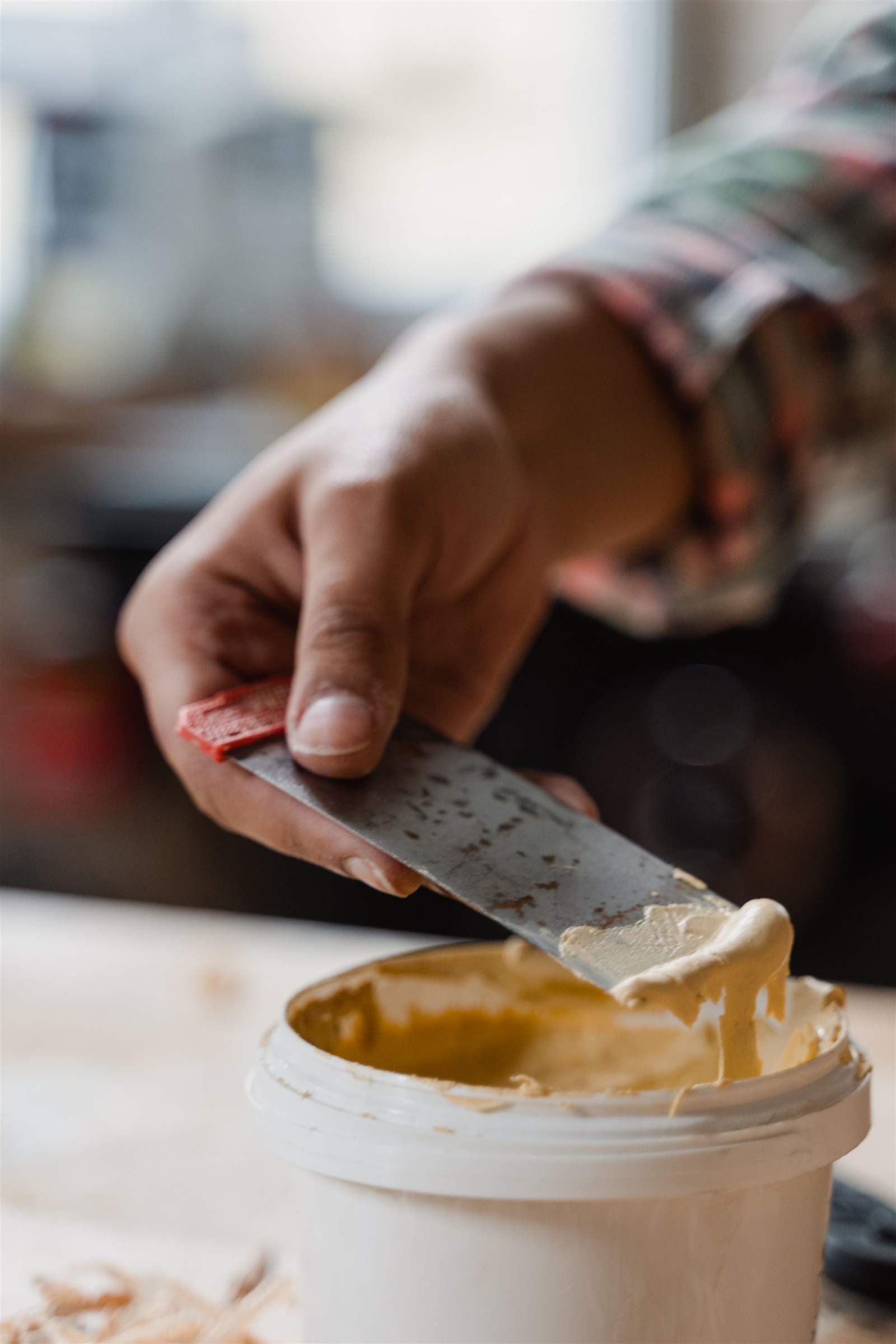
Shallow scratches respond well to a touch-up marker matched to your wood tone, applied with the grain and wiped of excess before it sets. Deeper gouges need more work: melt a matching wax fill-stick into the gouge with a wand lighter, scrape it level with a plastic razor blade (metal will gouge the surrounding finish further), then buff with 0000-grade steel wool to blend the repair into the surrounding surface (This Old House).
5. Water damage near the sink cabinet
Water damage announces itself clearly: bubbling or peeling veneer, soft or spongy panel spots, warped or swollen wood, white mineral residue, rusted hardware, or joints starting to separate. Particleboard that has actually absorbed water generally can't be dried out and repaired — it needs to be cut out and replaced with moisture-resistant plywood or MDF, with the new edges sealed against future exposure (Cabinet Coatings; Today's Homeowner, 2026).
Prevention matters more than repair here: wipe up standing water promptly, install an under-sink leak detector, caulk the sink-to-cabinet seam with silicone, and consider marine-grade plywood or water-resistant MDF for any cabinet base near plumbing.
6. Chipped or peeling laminate
For laminate that's lifting at an edge or corner, hold the loose piece back with pliers, apply contact cement so it bonds to both the laminate and the substrate underneath, press it flat once the cement is tacky, and smooth it with a J-roller (Old House Journal).
For an actual chip or missing piece, cut a clean rectangular removal around the damage with a straightedge and sharp utility knife — cutting only through the veneer layer, not the substrate beneath it — then fill with two-part epoxy for small chips or auto-body filler for larger gouges down to MDF. Sand with 320–400 grit and refinish to match (Oakwood Veneer).
7. Stripped screw holes
Stripped holes usually result from hardware being removed and reinstalled repeatedly, or from thinner cabinet material that doesn't hold a screw well over time. The fix is the same toothpick-and-glue method covered under loose doors: pack the hole with glue-soaked toothpicks, snap flush, let cure, and redrill (This Old House). Larger holes take a wood dowel instead.
If you're replacing hardware entirely rather than just repairing the existing hole, our cabinet knobs vs. pulls guide and how to measure cabinet pulls guide cover choosing and sizing new hardware correctly the first time.
8. Loose or wobbly cabinet base
If your cabinets sit on adjustable leveling legs, a wobble is often just an unlevel leg — turn it with an adjustable wrench in small increments, rechecking level as you go, then lock the nut once it's set (Engineer Fix). Toe-kick base cabinets that shift should be anchored with a 2-inch wood screw driven through the back panel into a wall stud.
Loose joints in the face frame or box itself call for wood glue or two-part epoxy, clamped while it cures, then reinforced with cabinet screws once dry.
Cabinet issues at a glance
| Issue | Likely Cause | DIY Fix | Call a Professional When |
|---|---|---|---|
| Loose or wobbly door | Loosened screw or stripped hole | Retighten; if stripped, toothpick-and-glue or wood filler, then redrill | Hole is torn out beyond repair, or the box itself is cracked |
| Door won't close properly | Hinge out of adjustment | Adjust the 3 Euro hinge screws in small increments | Still won't seat after full adjustment range — box may be racked |
| Sticking drawer | Humidity-driven swelling, worn slide | Sand friction points, lubricate slides, stabilize humidity to 40–50% | Drawer bottom is soft or delaminating |
| Scratches and dings | Everyday wear | Touch-up marker or wax fill-stick, buffed with steel wool | Finish is failing across large areas |
| Water damage near sink | Leaks, standing water | Sand and fill minor damage; replace swollen panels with moisture-resistant material | Panels are soft, spongy, or musty |
| Chipped or peeling laminate | Adhesive failure, impact, moisture | Contact cement and J-roller for peeling; epoxy or filler for chips | Delamination is widespread across multiple doors |
| Stripped screw hole | Repeated hardware changes | Toothpick-and-glue or dowel plug, then redrill | Surrounding wood is crumbling or the issue recurs |
| Loose cabinet base | Unlevel legs, weakened joints | Adjust leveling legs; anchor toe-kick to a wall stud; glue and clamp loose joints | Cabinet stays loose after tightening, or shows structural cracking |
Source: This Old House, Bob Vila, Family Handyman, Cabinet Coatings, Old House Journal, Oakwood Veneer, Engineer Fix.
When repair isn't enough
Some damage is past the point where a repair makes sense. Particleboard or MDF that's visibly swollen or gone soft under a sink or dishwasher, box joints that are cracked or separating from the wall, doors that stay misaligned even after full hinge adjustment because the box has racked out of square, or a persistent musty smell signaling hidden mold — all of these point to refacing or replacement rather than continued patch repair.
If you're at that point, our cabinet tier guide covers the options for replacing cabinets rather than repairing them further.
Frequently asked questions
How do I fix a stripped screw hole in a cabinet?
Pack the hole with wood glue and broken toothpicks, snap them flush, let the glue cure, then redrill a fresh pilot hole into the solid wood you've created. Larger holes need a glued wood dowel instead of toothpicks.
Why won't my cabinet door close properly?
Usually a hinge adjustment issue. European hinges have three adjustment screws — side-to-side, up-down, and depth — that fix most misalignment without any new drilling or hardware.
Why does my cabinet drawer stick?
Most sticking drawers are reacting to humidity, which swells the wood and causes friction against the slide or runner. Sanding the contact points and keeping indoor humidity around 40–50% resolves most cases.
Can water-damaged cabinets be repaired?
It depends on the extent. Minor water exposure can be sanded, filled, and resealed, but particleboard that has actually absorbed water and gone soft or spongy generally needs to be replaced with moisture-resistant plywood or MDF rather than repaired.
When should I replace cabinets instead of repairing them?
When the damage is structural — cracked or separating box joints, chronically misaligned doors even after adjustment, soft or spongy panels, or a musty smell suggesting hidden mold. At that point, refacing or replacement is the standard recommendation.
The bottom line
Most kitchen cabinet problems are fixable without a full renovation: loose hardware, stripped holes, misaligned doors, sticking drawers, scratches, and even moderate water or laminate damage all have straightforward repair techniques. The real judgment call is knowing when damage has crossed into structural territory, where a repair won't hold and refacing or replacement becomes the better investment.
Book a design consultation and we'll help you decide what your cabinets actually need.
Sources
- This Old House, Fixing Loose Hinge Holes in a Handful of Simple Steps, retrieved 2026-08-12, link
- Bob Vila, How to Adjust Cabinet Hinges, retrieved 2026-08-12, link
- Family Handyman, Euro Hinges: The Secret to Effortless Cabinet Door Installation, retrieved 2026-08-12, link
- Family Handyman, Fix Wooden Drawer Slides That Won't Open, retrieved 2026-08-12, link
- This Old House, How To Hide Furniture Scratches, retrieved 2026-08-12, link
- Cabinet Coatings, How to Repair Water Damaged Cabinets, retrieved 2026-08-12, link
- Today's Homeowner, Ask Danny: How to Repair a Water-Damaged Cabinet, retrieved 2026-08-12, link
- Old House Journal, A Fix for Cabinet Veneer Chips, retrieved 2026-08-12, link
- Oakwood Veneer, Stop Peeling Veneer: The Ultimate Guide to Repair & Maintenance, retrieved 2026-08-12, link
- Engineer Fix, How to Reinforce Cabinets for Strength and Stability, retrieved 2026-08-12, link