
Design Guides
2026 Kitchen Trends: Designing Organic Sanctuaries with Textured Oak
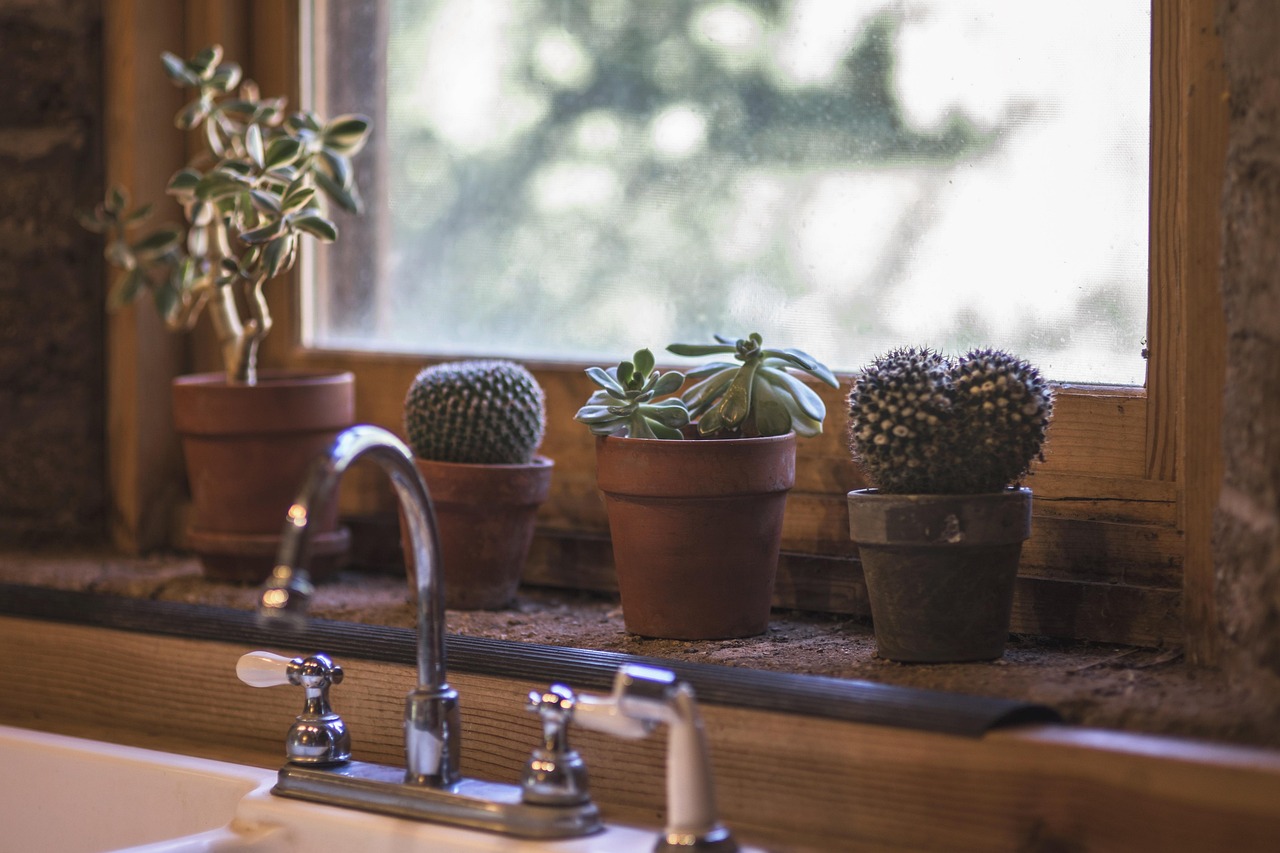
Kitchens used to chase “clean.” In 2026, they're chasing “calm.” In 2026, 59% of respondents told the National Kitchen & Bath Association that wood grain cabinetry is growing in popularity, a reversal of a decade of all-white, high-gloss kitchens (NKBA/KBIS 2026 Kitchen Trends Report, 2026). The shift isn't cosmetic. It's about how a room makes you feel.
We call this the “organic sanctuary” trend: warm wood tones, visible texture, and a deliberate connection to nature, all working together to make the kitchen feel less like a showroom and more like a retreat. It's showing up in real homes, and it's showing up in our own showroom too.
What does “organic sanctuary” actually mean in a 2026 kitchen?
In 2026, transitional and timeless design overtook maximalist looks as the top kitchen style, with 72% of homeowners choosing it over bolder, trend-driven aesthetics (NKBA/KBIS 2026 Kitchen Trends Report, 2026). An organic sanctuary kitchen leans into that timelessness through material choice rather than ornamentation.
The formula is simple: warm wood tones as the anchor, matte and textured finishes instead of high gloss, and natural light treated as a design material in its own right. Nothing about it depends on a passing color trend, which is exactly why it reads as “timeless” rather than “of the moment.”
That's a meaningful shift from the last decade's playbook, where a stark white kitchen was the safe, resale-friendly default. Wood is taking that role back, but with more texture and nuance than the honey-oak cabinets of the 1990s.
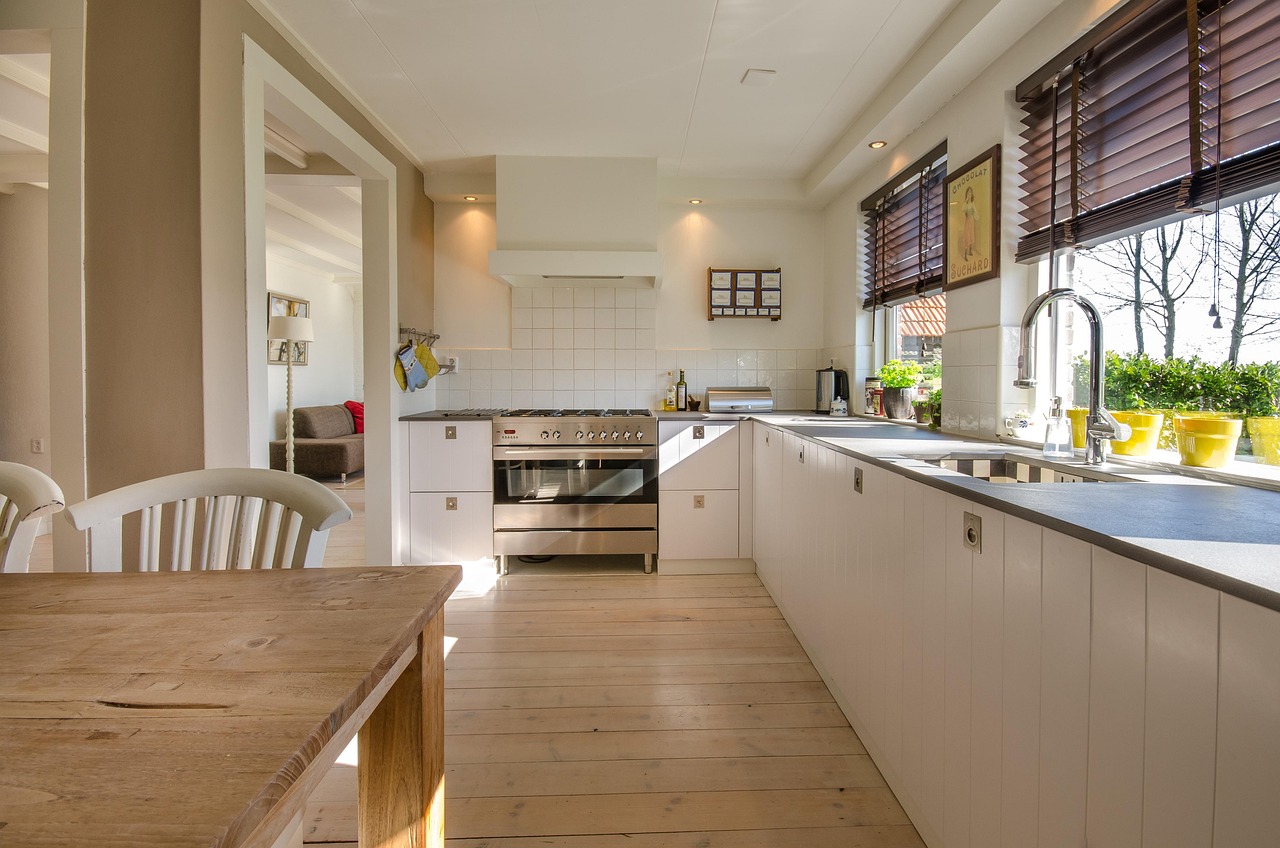
For a deeper look at how style and daily function work together in a kitchen, see our guide to functional kitchen design that's also beautiful.
Why does wood grain feel calming instead of just stylish?
Biophilic design research connects natural materials to measurable wellbeing effects, not just aesthetic preference. A Global Wellness Institute evidence summary cites systematic review findings that biophilic design in built environments is associated with reduced stress and improved cognitive performance in occupants (Global Wellness Institute, “Biophilic Design” evidence summary, 2024–2025).
Our finding: across the kitchens we've completed this year, homeowners consistently describe their motivation for choosing wood-grain cabinetry the same way — they want the kitchen to feel less like a lab and more like a room they want to sit in. That language shows up almost verbatim across unrelated consultations, which tells us the “sanctuary” framing matches how people actually experience the room, not just how it photographs.
Separately, research summarized by naturally:wood on wood's biophilic effects points to physiological calming responses associated with viewing natural wood grain, consistent with the broader biophilic design literature (naturally:wood, “Wood's Health and Biophilia,” 2025). None of this means a kitchen needs to look rustic. It means texture and warmth are doing real psychological work, not just decorative work.
This is also why 71% of homeowners now rank outdoor connection as a priority kitchen feature (NKBA/KBIS 2026 Kitchen Trends Report, 2026). Wood grain cabinetry is, in effect, a way of bringing that outdoor material language indoors even in kitchens with no direct outdoor access.
Which wood tones and finishes are leading the 2026 organic trend?
White oak is the most popular wood species named in the 2026 NKBA report, chosen by 51% of respondents, ahead of walnut and cherry (NKBA/KBIS 2026 Kitchen Trends Report, 2026). Houzz's 2026 trend research independently points the same direction, naming medium-toned woods as the leaders of a broader “wood comeback,” with white oak again at the front of the pack, followed by walnut, cherry, and rift-sawn oak (Houzz Magazine, “10 Kitchen Remodeling Trends to Know for 2026,” citing Houzz 2026 Kitchen Trends Study, 2026).
Source: NKBA/KBIS 2026 Kitchen Trends Report; Houzz 2026 Kitchen Trends Study. Only White Oak has a published percentage — the other three are shown in ranked order, not by a reported share.
Finish is doing as much work as species. Industry coverage of 2026 cabinet trends points to matte, low-sheen, and textured finishes taking share from high-gloss doors, including wire-brushed woodgrain and other tactile surface treatments (Woodworking Network, “Cabinet trends come down to earth,” 2025–2026; corroborated by STEVENSWOOD and Kitchen Cabinet Kings trend coverage). The texture is the point. A matte, grained surface catches light differently than a smooth painted door, and that variation is what reads as “organic” instead of “manufactured.”
How do you bring this look into a real kitchen without overspending on rare wood?
Solid wood in white oak or walnut is beautiful, but it isn't the only way to get this look, and it isn't always the practical choice for every kitchen size or layout. Textured TFL (thermally fused laminate) doors have closed much of that gap. TFL fuses a decorative, textured paper layer to an engineered substrate under heat and pressure, and current finishes replicate real woodgrain closely enough that the material reads as natural wood at a glance (Composite Panel Association, decorative surfaces overview, 2025).
That distinction matters more than most homeowners realize during a renovation. It means the organic sanctuary look isn't limited to kitchens with the budget for full solid-wood cabinetry. It's achievable across price tiers and project scopes, which is part of why the trend is showing up in starter kitchens and full custom builds alike, not just high-end remodels.
We carry this exact material story in our own cabinet lines. Five of our Textured Woodgrain, Oak-specie doors span the tonal range this trend calls for, from light to dark, all sourced from Luxor's real product offering rather than a single limited collection:
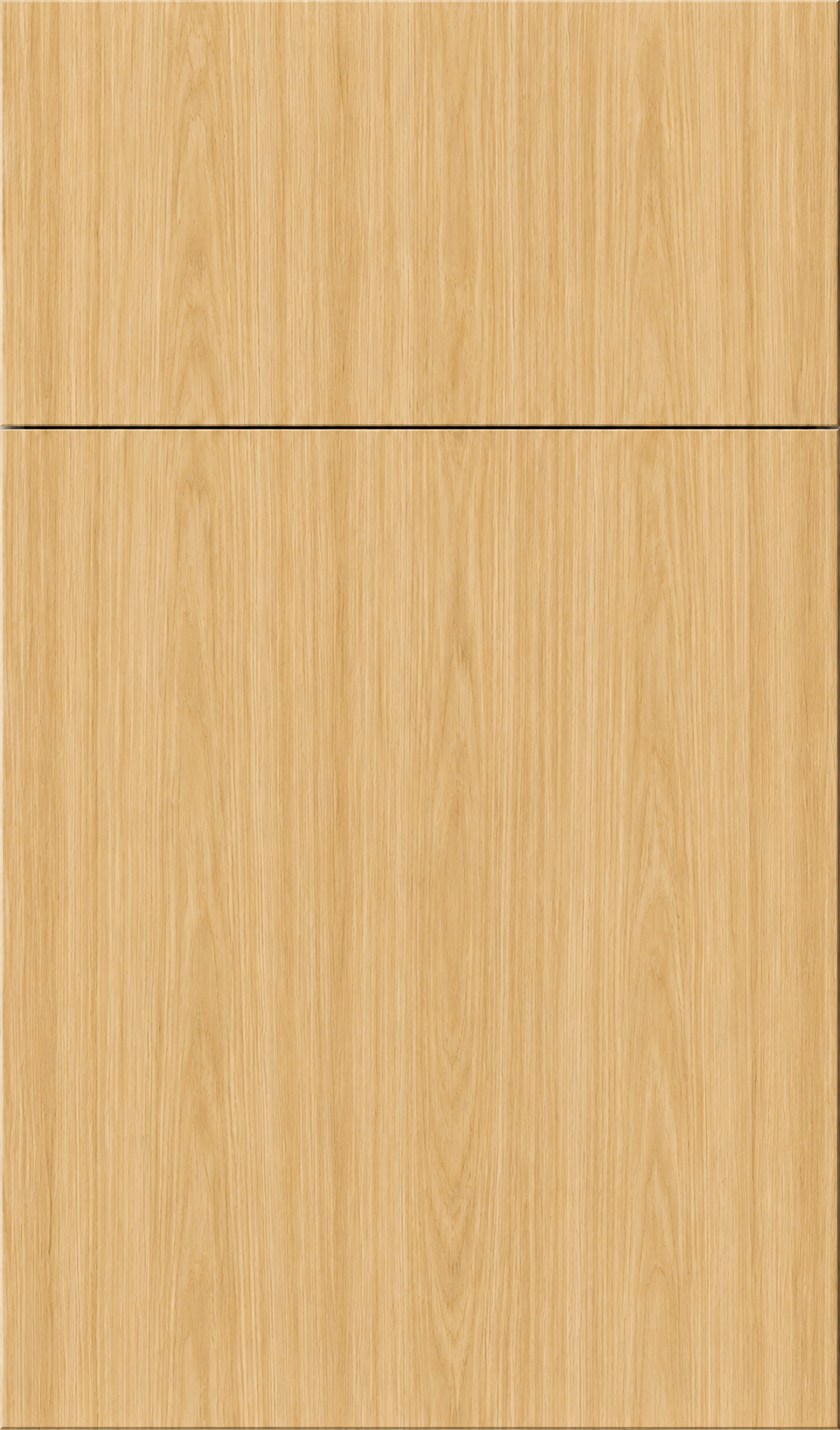
LK-CAB40031
Flat door style · Frameless · TFL · Textured · Woodgrain · Oak · Light Brown
View this door →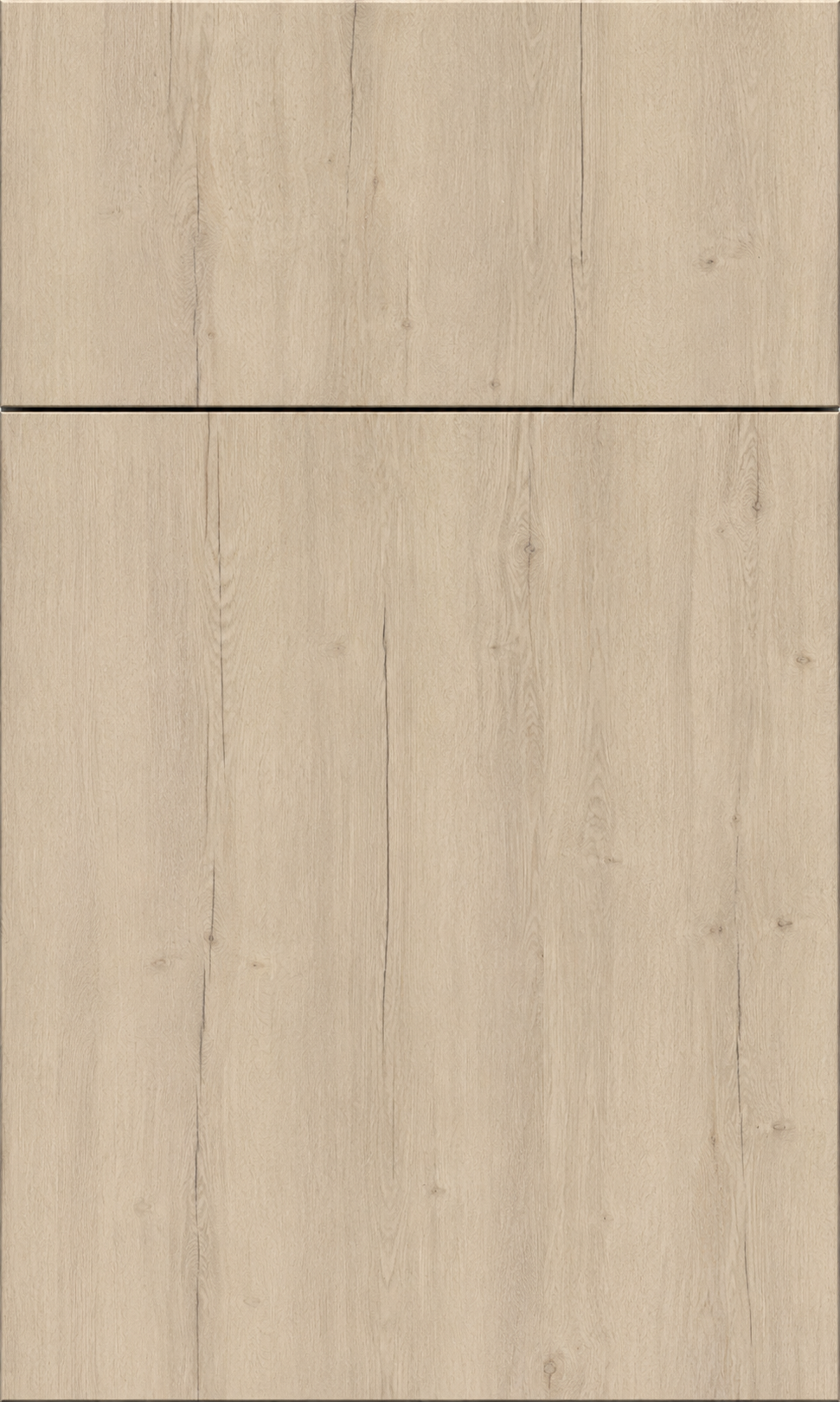
LK-CAB40034
Flat door style · Frameless · TFL · Textured · Woodgrain · Oak · Light Brown
View this door →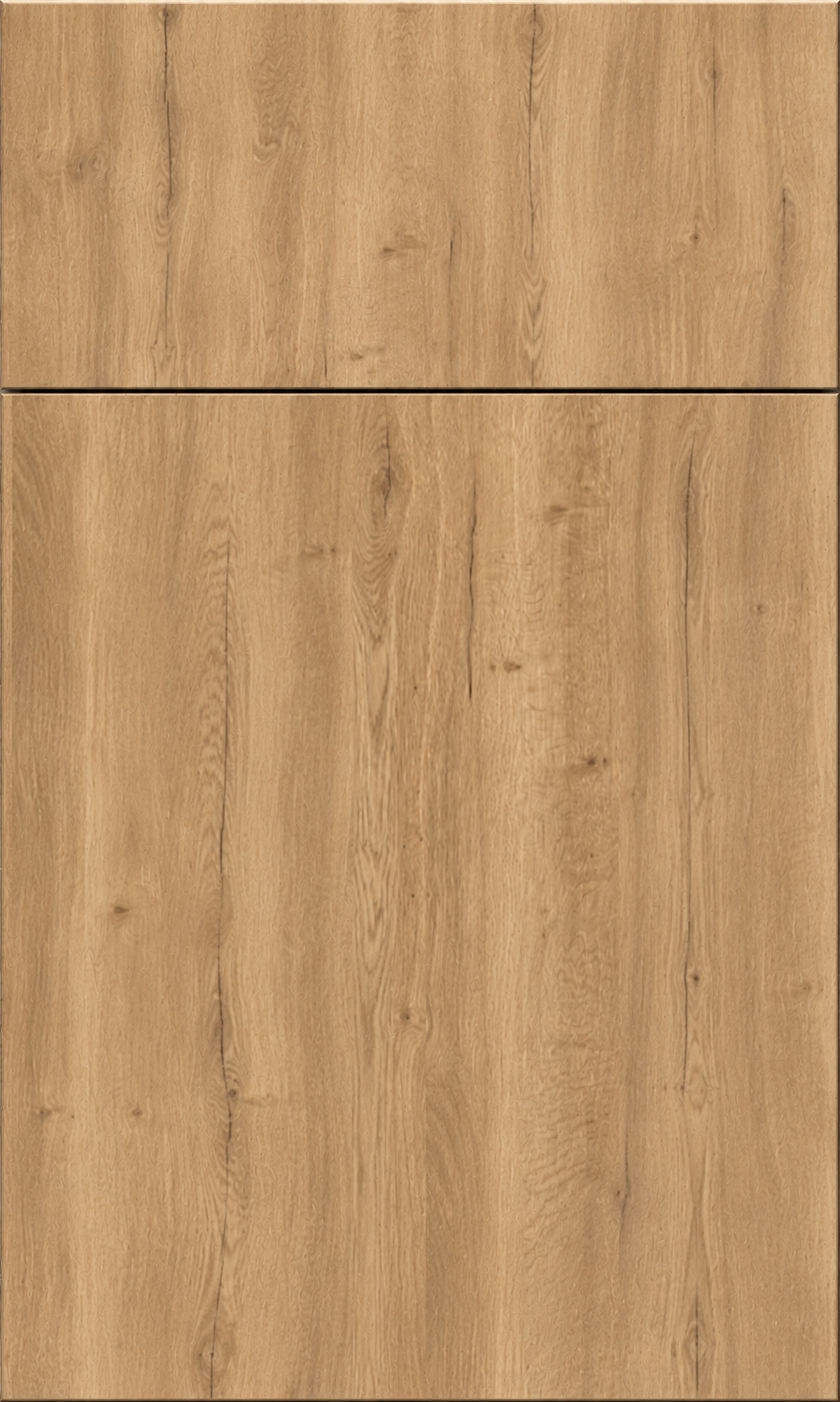
LK-CAB40035
Flat door style · Frameless · TFL · Textured · Woodgrain · Oak · Medium Brown
View this door →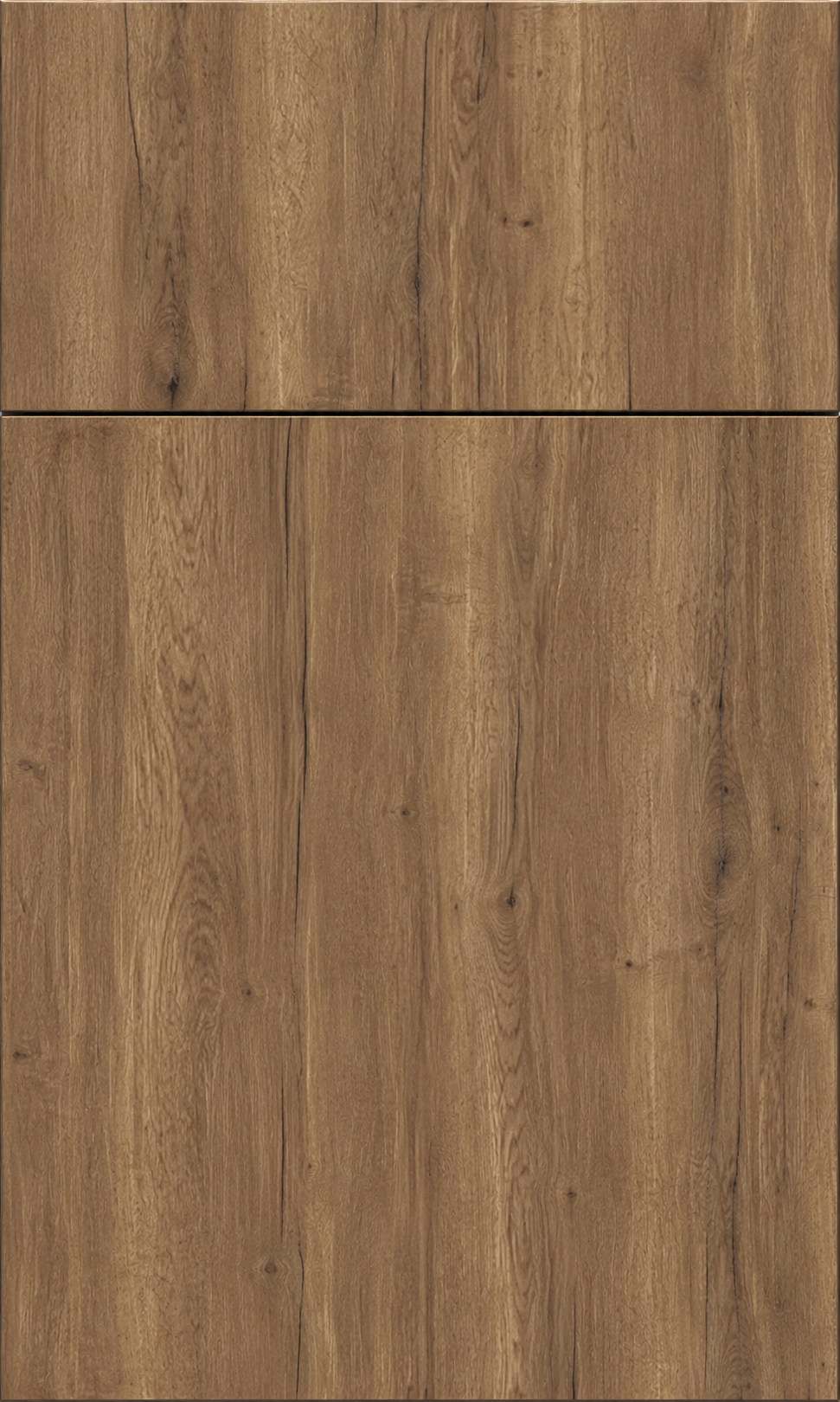
LK-CAB40036
Flat door style · Frameless · TFL · Textured · Woodgrain · Oak · Dark Brown
View this door →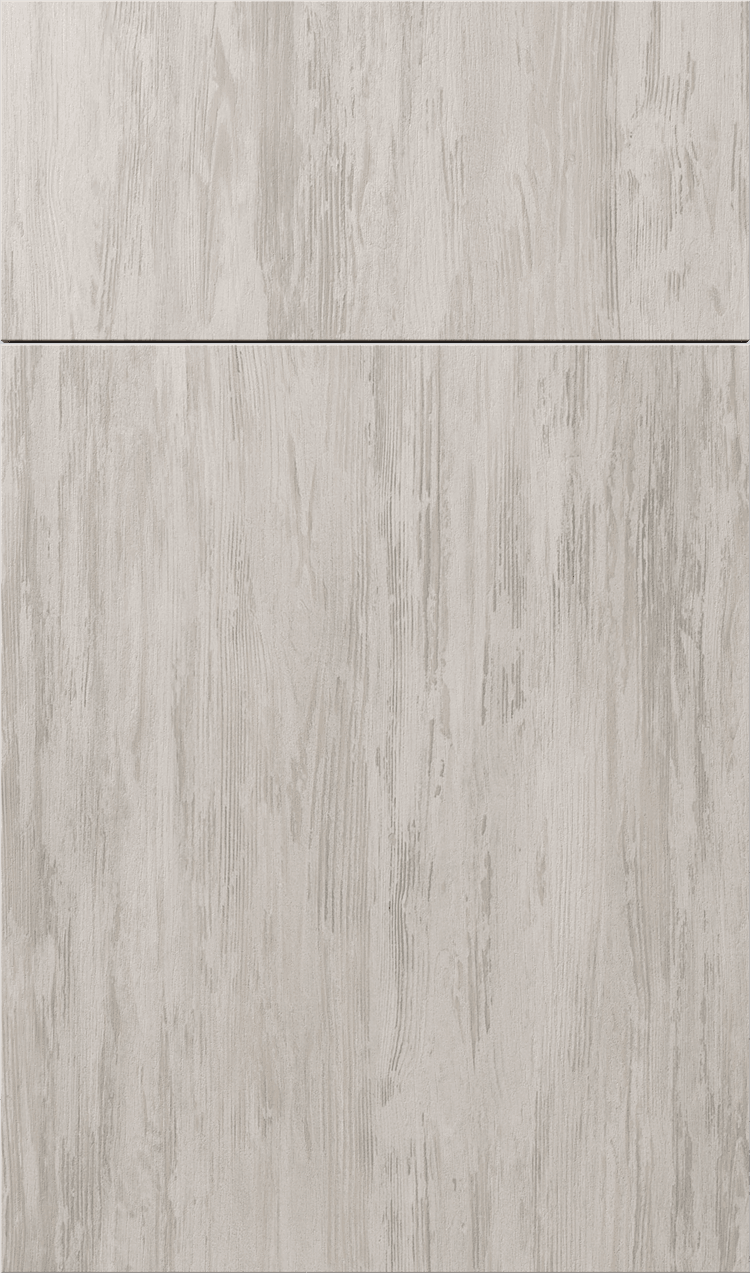
LK-CAB11170
Catalina door style · Frameless · TFL · Textured · Woodgrain · Oak · Grey
View this door →
Layering a Light Brown and a Dark Brown tone from that list, or pairing the Grey Catalina with either brown, is a straightforward way to build the tonal depth this trend is built on without committing to a single flat wood color across the whole kitchen. For a broader look at combining tones and finishes, see our guide to two-tone kitchen design.
You can browse the full spec sheet, including door style, construction, and lead time, on our cabinet collection page. Each of the five SKUs above opens directly with its spec sheet if you follow the product link from that page.
Is an organic, textured-wood kitchen a safe long-term choice?
Yes, and the 2026 data backs that up on two fronts: popularity and durability of the trend itself. Transitional, timeless style now leads homeowner preference at 72%, ahead of bolder or more trend-driven looks (NKBA/KBIS 2026 Kitchen Trends Report, 2026), and wood grain's momentum (59% growing in popularity) suggests this isn't a short-lived swing back from all-white kitchens.
Because the look leans on material and texture rather than a specific color palette or hardware trend, it also ages well against resale expectations. For more on how design choices hold up against future buyers, see our guide to renovating a kitchen with resale in mind.
If you're planning cabinets around this palette, choosing between stock, semi-custom, and custom construction also affects lead time and how much tonal customization you can get. Our breakdown of cabinet tiers covers that decision in detail.
Frequently asked questions
What wood tone is most popular for 2026 kitchens?
White oak leads, chosen by 51% of homeowners in the NKBA/KBIS 2026 Kitchen Trends Report, with walnut, cherry, and rift-sawn oak following behind it (NKBA, 2026; Houzz 2026 Kitchen Trends Study).
Is textured TFL cabinetry as durable as solid wood?
TFL fuses a textured decorative layer to an engineered substrate under heat and pressure, producing a consistent, moisture-resistant surface built for daily kitchen use — distinct from solid wood's tendency to expand and contract with humidity (Composite Panel Association, 2025).
Do organic, wood-toned kitchens work in small spaces?
Yes. Because the trend relies on tone and texture rather than a specific layout, it scales down easily — using a lighter Color Group like Light Brown on the majority of cabinets, with a darker or grey tone as an accent, keeps a compact kitchen from feeling heavy.
Does an organic kitchen trend clash with a resale-focused renovation?
Not based on 2026 data. Transitional, timeless style was the top-ranked preference at 72% (NKBA, 2026), and wood tones are trending upward rather than fading, which points to broad, durable buyer appeal rather than a narrow personal taste.
How do I see these cabinet colors in person?
Every SKU in this guide is on our live cabinet collection page with its full spec sheet, including color group, wood specie, finish, and lead time. Request a quote directly from any product listing to start the conversation with our design team.
The bottom line
The organic sanctuary look pairs warm, textured oak with natural light and a deliberate connection to the outdoors, and 2026's data suggests it's a durable shift, not a passing trend. Textured TFL doors put the look within reach across budgets and kitchen sizes.
Book a design consultation and we'll help you pair the right oak tones for your space.
Sources
- NKBA/KBIS, 2026 Kitchen Trends Report, retrieved 2026-08-20, link
- Houzz Magazine, 10 Kitchen Remodeling Trends to Know for 2026 (citing Houzz 2026 Kitchen Trends Study), retrieved 2026-08-20, link
- Woodworking Network, Cabinet trends come down to earth, retrieved 2026-08-20, link
- naturally:wood, Wood's Health and Biophilia, retrieved 2026-08-20, link
- Global Wellness Institute, Biophilic Design evidence summary, retrieved 2026-08-20, link
- Composite Panel Association, Thermally Fused Laminates overview, retrieved 2026-08-20, link